
The Balcón de Europa, an emblematic place in Nerja, stands majestically on a rocky peninsula, giving breathtaking panoramic views of the Mediterranean Sea. With a history dating back to the 9th century and having been christened by Alfonso XII in the 19th century, this viewpoint has become a landmark offering a unique experience to locals and visitors alike.
The Balcón de Europa is not only a place of breathtaking natural beauty, but also a witness to the rich history of the region. The statues and sculptures that adorn the viewpoint tell silent stories of times gone by, adding a historical dimension to the experience of those who visit. It is a place where antiquity blends harmoniously with modernity, creating an enchanting atmosphere that invites you to explore.
The surrounding area of the Balcon de Europa is home to a lively café and restaurant scene that adds life and vibrancy to the place. Visitors can enjoy delicious local cuisine while marvelling at the sea views. This vibrant environment contributes to making the Balcon de Europa a destination not only for those in search of scenic beauty, but also for those who wish to immerse themselves in the welcoming atmosphere of coastal life.
As well as being a social meeting point, the Balcon de Europa is famous for offering some of the most romantic sunsets in the region. The warm tones of the sun dipping below the horizon paint a picture of the sunset.

One of the region's most outstanding treasures, the Nerja Caves offer visitors a unique experience that combines natural wonder with ancient history. Discovered in 1959, these caves have revealed impressive geological formations dating back millions of years featuring spectacular stalactite and stalagmite formations in vast underground chambers. Located just outside Nerja, the caves have become a must-see tourist destination, attracting visitors from all over the world.
Upon entering the Nerja Caves, visitors are immersed in a breathtaking underground world. Stalactites and stalagmites create surreal landscapes that evoke the feeling of being in an underground fairy tale. Strategic lighting highlights the beauty of these rock formations, creating a magical atmosphere as visitors explore the various rooms and galleries.
One of the highlights of the Nerja Caves is the ‘Sala del Ballet’, where a series of stalactites and stalagmites resemble a graceful set of ballerinas. This space is a testament to the incredible diversity of forms that nature has created over the centuries. Guided tours offer detailed information about the geological formation of the caves, as well as their role in the history of the region.
In addition to the geological wonders, the Caves of Nerja have revealed evidence of human occupation dating back to

Nerja's rich history and culture by exploring the fascinating Museo de Nerja, an essential stop for those wishing to learn more about the evolution of this charming town. This museum offers a window into the past through archaeological artefacts, informative displays and captivating replicas of paintings from the famous Nerja Cave.
One of the highlights of the Nerja Museum are the reproductions of the paintings of the Nerja Cave, a world-renowned archaeological treasure. These replicas allow visitors to appreciate the incredible wealth of artistic and prehistoric depictions found in the original cave. It is a virtual journey through history that offers a unique insight into the life and culture of the prehistoric inhabitants of the region.
In addition to replicas of the Nerja Cave, the museum displays a variety of artefacts that illustrate the evolution of the region over time. From decorative ceramics to tools and everyday objects, each piece tells a story about life in Nerja at different times. These artefacts offer a detailed insight into how the town has evolved and how its inhabitants have left their mark over the centuries.
The Nerja Museum also highlights pieces from the Iberian and Phoenician cultures, providing a comprehensive overview of local history. These archaeological exhibits offer a direct connection to ancient civilisations that leaves a lasting impression on the visitor.
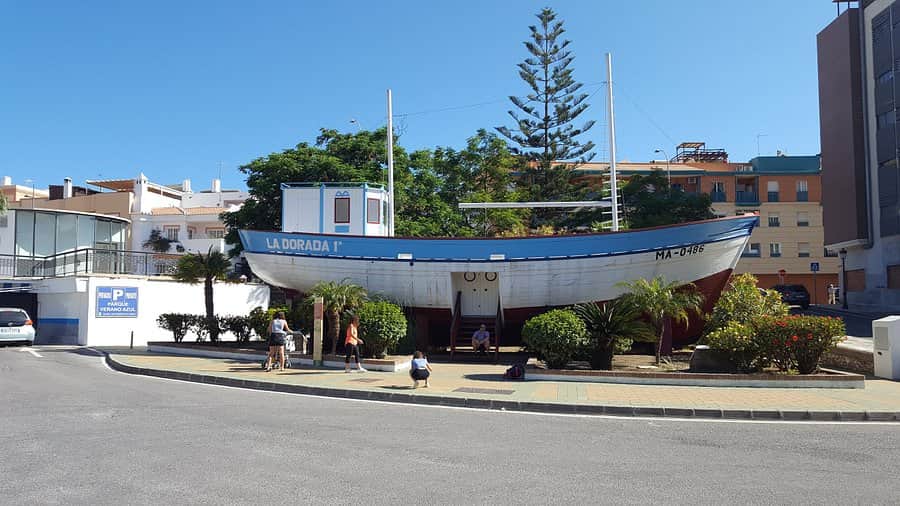
Verano Azul Park and Chanquete's Boat are two nostalgic gems in Nerja that transport visitors back to the golden age of Spanish television, recalling the unforgettable ‘Verano Azul’ series that captivated audiences in the 1980s. Located on the beach of La Torrecilla, the Verano Azul Park is more than just a recreational space: it is a tribute to the series and the endearing character of Chanquete, the sailor who left an indelible mark on the memory of viewers.
This park is not only a green space for recreation, but a living tribute to pop culture and the legacy of ‘Verano Azul’. Visitors can enjoy a unique experience as they stroll through the park, discovering decorative elements that evoke the essence of the series. From thematic details to visual references, Verano Azul Park celebrates the special connection between Nerja and this iconic TV production.
Chanquete's Boat, a faithful replica of the boat that appeared in the series, becomes the focal point of the park. This iconic vessel is more than a visual attraction; it is a tangible symbol of the lasting influence of ‘Verano Azul’ on Nerja's culture and identity. Visitors have the opportunity to explore the boat, reliving iconic moments from the series and immersing themselves in the nostalgia of a unique television era.
The presence of Chanquete's boat in the Verano Azul Park creates a magical atmosphere that attracts both visitors and visitors.
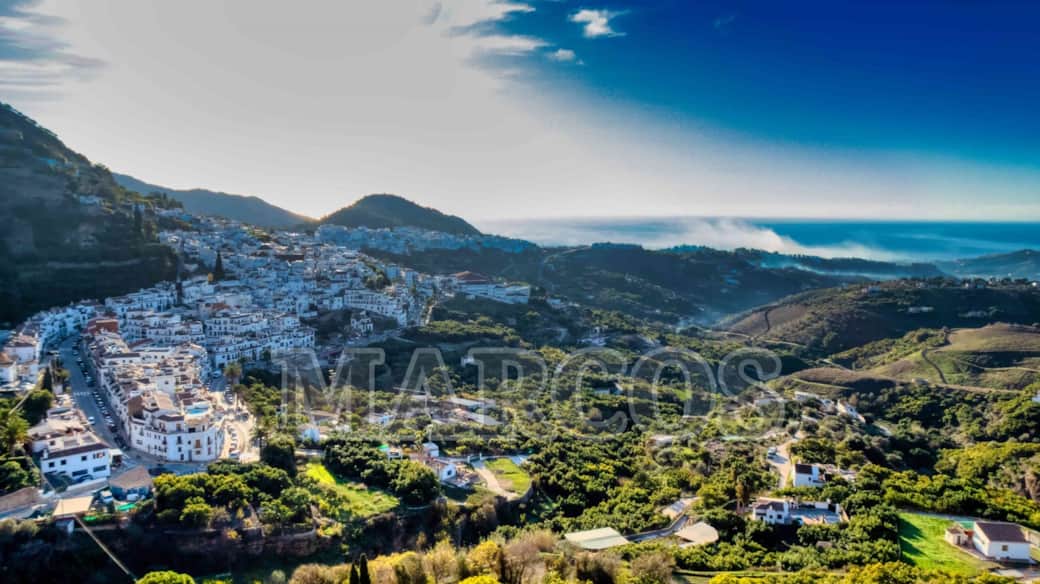
Frigiliana is undoubtedly one of the most charming white villages in Malaga. Awarded the 1st National Beautification Prize in 1982, its historic quarter has been a Historic-Artistic Site since 2014.
The whitewashed walls, its narrow and winding streets, in a myriad of stairs that run through the Barribarto, are the Moorish heritage that the passage of time has left in the old town of Frigiliana, one of the best preserved in the province.
Frigiliana is located in the easternmost part of the Axarquia region, overlooking the Mediterranean from the Sierras de Almijara, Tejeda and Alhama Natural Park.
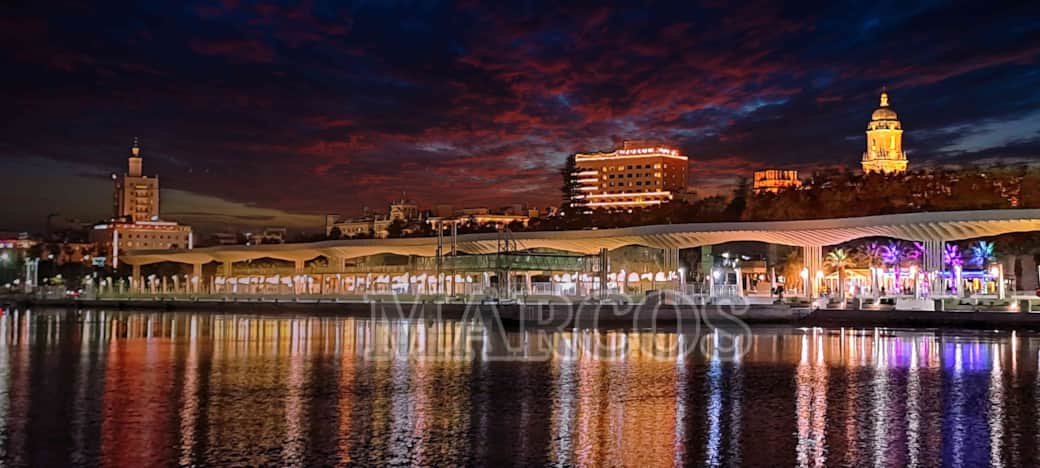
Malaga, known as the beautiful, its privileged geographical location has always attracted travellers, traders, settlers, warriors..., who have left their mark on this now cosmopolitan, universal, open, relaxed and hospitable city.
There are so many points of interest To the east, the neighbourhood of El Palo, with its typical fishermen's houses, its little coves, its promenades and its ‘pescaíto’, leads to the Paseo Marítimo with its beaches, La Malagueta, La Farola (which has become a symbol of the city) and the Espigón del Puerto, from where there is a beautiful panoramic view of the city. Towards the centre, the Park, which contains botanical species from all over the world, adapted here thanks to the mild climate, leads us to the old Malaga: the imposing Cathedral, the Nasrid Gibralfaro Castle, the Alcazaba, happily recovered for your enjoyment, and the Roman Theatre, proof of what this city was like at that time. Further up, the Plaza de la Merced, in one of whose houses the brilliant Picasso was born. All of this is dotted with numerous churches of interest: the churches of San Juan, Santiago, Santo Domingo, the Santos Mártires; the Convent of San Agustín and the Episcopal Palace; and civil buildings such as the Palace of the Counts of Buenavista and the Casa del Consulado (Consulate).
A stroll through its streets brings to mind its spectacular Holy Week and its grandiose Fair.
The Montes de Málaga, a Natural Park of great beauty and an ideal place to enjoy its charms, dominate the whole area.
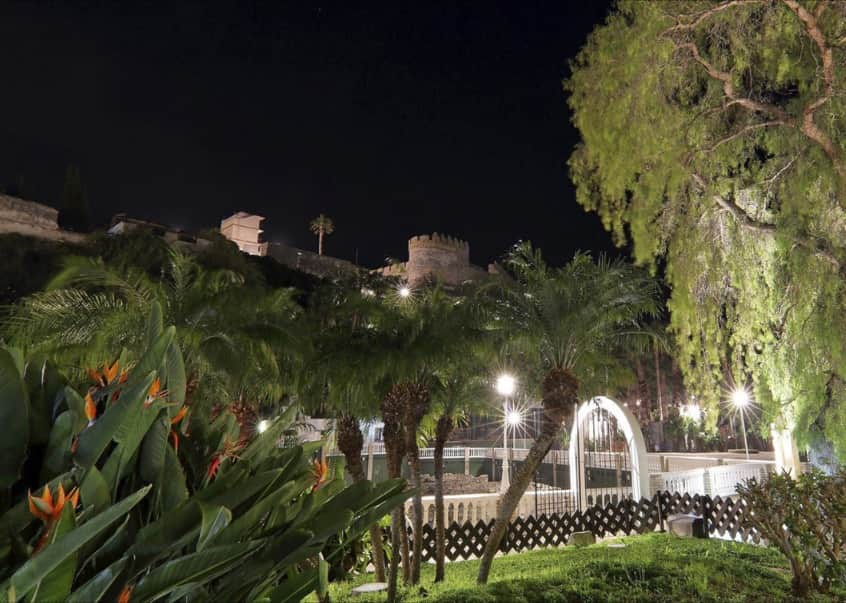
El Majuelo Botanical Park, located at the foot of the Castle of San Miguel and right in the centre of Almuñécar, is a place of reference for craft and leisure activities, as it has an auditorium designed by the master Urrengoechea.
In El Majuelo Botanical Park there is a representation of the flora of all tropical zones: Central and South America, Africa, Madagascar, China, India, Arabia, Japan, Philippines, Malaysia, Indonesia, New Guinea, Australia, New Zealand, Melanesia, Micronesia and Polynesia. In total, 182 different plant species.